If you are looking at investment property near Smith Lake, the sticker price is only the beginning. In the Cullman area, you are often choosing between two very different plays: a more standard in-town rental or a higher-priced lake property with lifestyle appeal and added complexity. This guide will help you compare both with clearer eyes, so you can weigh pricing, rental use, taxes, permits, and resale before you commit. Let’s dive in.
Cullman Investment Property Basics
Cullman offers a mix of local economic support and regional access that matters when you are evaluating long-term demand. Cullman County had an estimated 92,604 residents in 2024, and the City of Cullman had an estimated 20,239. The area also benefits from its location on I-65 between Birmingham and Huntsville, which supports commuter access, business activity, and broader buyer reach.
The local economy is not tied to one industry alone. Public sources point to manufacturing, healthcare, schools, retail, distribution, government, and community-college employers as part of the area’s employment base. For an investor, that kind of mix can help support steady housing demand across different price points.
Smith Lake Changes the Equation
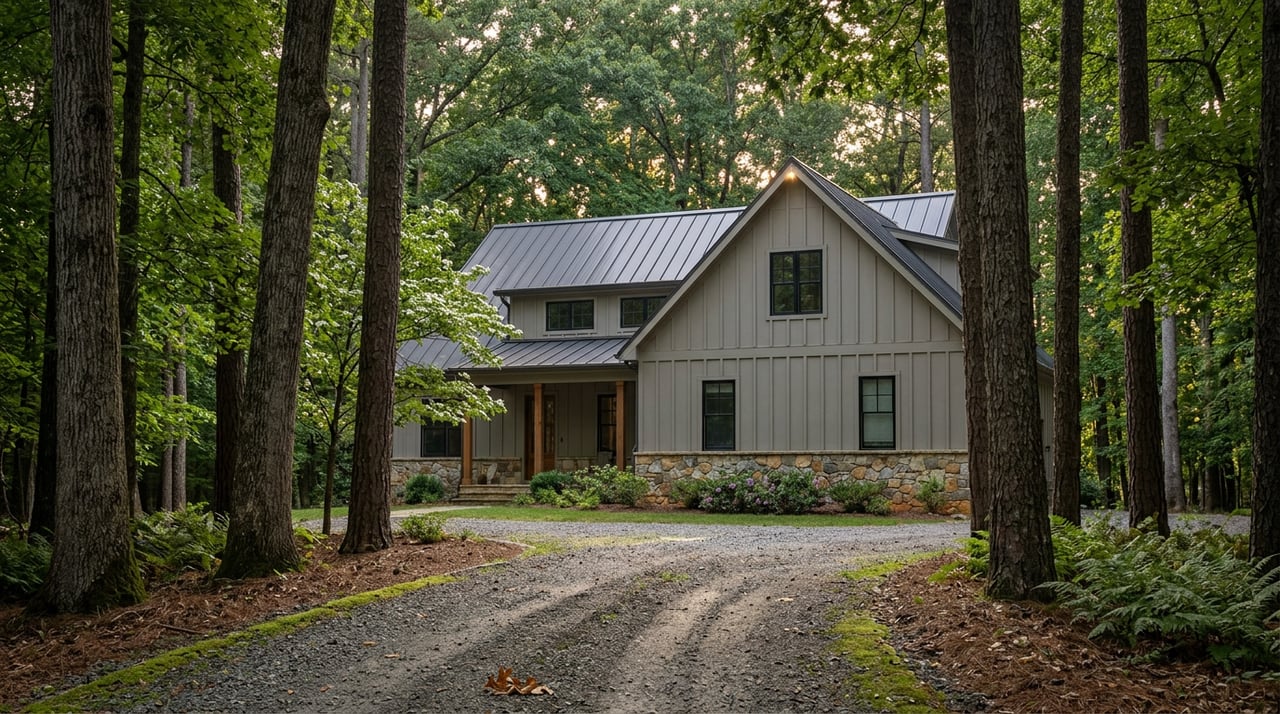
Smith Lake adds a separate layer of demand that you do not get with a typical inland property. Cullman County says Smith Lake Park sits on the 21,200-acre lake, and both county and power-company sources describe extensive shoreline, boating, fishing, cabins, and seasonal recreation. That recreation appeal can attract second-home buyers, lakefront buyers, and short-term rental interest.
That said, lifestyle value and investment value are not always the same thing. A beautiful view, dock access, and water orientation may support a higher price, but they can also narrow your buyer pool when it is time to sell. Near Smith Lake, your underwriting needs to account for both the upside and the extra risk.
Compare In-Town vs Lake Pricing
Current pricing shows a sharp difference between standard Cullman housing and lake-oriented submarkets. Zillow places the average home value in Cullman at $261,636, with average rent at $1,566. Realtor.com reports a Cullman County median listing price of $319,900 and median rent of $1,490.
Lake-leaning areas are much more expensive. Realtor.com reports median listing prices of about $854,450 in Crane Hill and $799,415 in Bremen. That spread suggests you are not comparing similar investment profiles, even when the properties are all in the same county.
What lower-priced Cullman properties may offer
A standard home in or around Cullman may appeal to investors who want simpler math and broader day-to-day demand. These properties may fit long-term rental strategies better because they are often tied more closely to local employment, commuting, and regular household housing needs.
They may also offer a more straightforward resale path. In general, a mainstream home tends to have a larger potential buyer pool than a premium lakefront property. That does not guarantee performance, but it does matter when you think about exit strategy.
What Smith Lake properties may offer
A property near Smith Lake may command a premium because buyers are paying for access, views, recreation, and a different ownership experience. For some investors, that can support a second-home strategy, a vacation-use plan, or a short-term rental concept where local rules allow it.
But higher price points change your risk profile. Lake properties can be more sensitive to dock access, shoreline condition, water orientation, and maintenance needs. When pricing starts much higher, your margin for error gets smaller.
Read the Market Before You Buy
Cullman County market signals suggest a disciplined approach. Realtor.com labels the county a buyer’s market as of March 2026, with a median 58 days on market. It also reports that homes sell about 1.89% below asking price on average.
That can create room for negotiation, which is helpful for investors. It also suggests that you should not underwrite a quick resale as your default plan. If your numbers only work with a fast exit, you may be taking on more risk than you realize.
Check Short-Term Rental Rules Early
If you are considering a short-term rental, start with location. One of the first questions is whether the property is inside the City of Cullman or in unincorporated county territory. That distinction can affect zoning, licensing, sanitation, and utilities.
In the City of Cullman, short-term rental is specifically listed as a lodging use subject to Section 62-103 of the zoning ordinance. The city also requires every business operating within city limits to obtain an annual privilege license, renewed on January 1 and delinquent on February 1. If you plan to operate an STR, verify the property’s exact jurisdiction and use requirements before closing.
For lodging taxes, Alabama Department of Revenue guidance says Cullman County is in the Alabama Mountain Lakes area, where the state lodgings tax rate is 5%. Local county or municipal lodgings taxes may also apply and may be self-administered. Before you buy, confirm the filing setup and tax obligations for that specific property.
Understand Shoreline Permits and Water Levels
This is where many first-time lake investors get surprised. On Smith Lake, shoreline work is not something you should assume you can handle later without approval. Alabama Power says it owns the pool properties of Smith Lake and requires a written shoreline permit before construction or repairs on or near the water.
Those rules can apply to docks, boathouses, seawalls, grading, and bank stabilization. Verbal approval is not enough. If the deal depends on replacing a dock, adding shoreline protection, or making major waterfront improvements, that should be part of your due diligence and budget from the start.
Water levels matter too. Alabama Power describes Smith Lake as a storage lake with different summer and winter pool levels, and the lake is drawn down in late fall and winter. If you are evaluating dock usability, shoreline appearance, or boating access, view the property with seasonal variation in mind.
Budget for Taxes and Ongoing Costs
Holding costs can change your return more than many buyers expect. In Cullman County, property taxes are paid in arrears, due October 1, and become delinquent January 1. Delinquent balances accrue 12% interest, so investors need to stay organized after closing.
Tax classification also matters. Cullman County says Class II property is assessed at 20% of appraised value, while owner-occupied residential property may qualify for Class III treatment at 10% plus possible homestead exemptions. Rentals usually do not receive the owner-occupied break, so make sure you underwrite using the likely investment-property classification.
Inside the City of Cullman, the city separately levies 15.5 mills total for general obligations and educational purposes, before county and school district levies. If the property is in city limits, include that in your ownership-cost analysis. A deal that looks fine at first glance can feel very different after you factor in taxes correctly.
Utility and service costs to review
If your property is in the City of Cullman, sanitation service is another line item to include. The city says every household receives sanitation service at $17.42 per month for one cart. Water and wastewater rates also vary based on whether an account is inside or outside city limits and by account type.
For lake properties, wastewater setup matters even more. A home on septic may bring different maintenance needs than one on city sewer, and Alabama Power specifically flags septic maintenance and erosion control as important for water quality. That means upkeep is not just cosmetic. It can affect operating cost and long-term property stewardship.
Ask These Due Diligence Questions
Before you move forward on any investment property near Smith Lake, use a checklist that reflects local realities.
- Is the property inside the City of Cullman or in unincorporated Cullman County?
- If you want short-term rental use, does zoning allow it at that address?
- If the property is in city limits, what business licensing requirements apply?
- What lodging taxes will you need to collect and remit?
- Is the home on septic or sewer, and what is the maintenance history?
- Do any planned dock, seawall, or boathouse improvements require permits?
- What will property taxes look like under investment-property classification?
- Are you budgeting for seasonal maintenance, shoreline work, and a slower resale window?
A good investment decision usually comes down to asking the right questions before you fall in love with the view. Near Smith Lake, local detail matters.
Build Your Exit Strategy Up Front
Every investment needs an exit plan, and near Smith Lake that plan should be realistic. Current county data point to a buyer’s market, a 58-day median market time, and average sale prices below asking. That means you should leave room for negotiation on the way in and avoid overestimating your speed on the way out.
For in-town properties, your exit may lean on broader resale demand and more everyday buyer activity. For lakefront homes, your exit may depend more on condition, shoreline features, presentation, and finding the right lifestyle buyer at the right moment. The best opportunities often come from staying disciplined, not from assuming every lake property will perform like a trophy asset.
Why Local Guidance Matters
On paper, two properties can look similar. In real life, one may have easier rental use, cleaner utility setup, lower improvement risk, and a more flexible resale path. The other may offer stronger lifestyle appeal but require more planning, more capital, and more patience.
That is why local knowledge matters so much near Smith Lake. When you understand the difference between a great view and a sound investment, you can buy with more confidence and fewer surprises. If you want help evaluating a lake property, an in-town rental, or the tradeoffs between them, connect with Team Sparkman for thoughtful, local guidance.
FAQs
What makes Cullman investment properties different from Smith Lake properties?
- Cullman in-town properties often align more with local housing demand and simpler resale, while Smith Lake properties may carry higher prices, lifestyle-driven demand, and added shoreline and maintenance considerations.
Can you use a Cullman property as a short-term rental?
- It depends on the property location and local rules. In the City of Cullman, short-term rental is listed as a lodging use subject to Section 62-103, and city business licensing may also apply.
What should you check before buying a Smith Lake waterfront property?
- Review shoreline permit needs, dock or seawall conditions, septic or sewer setup, tax classification, utility costs, and whether your planned use matches local rules and your exit strategy.
Are Cullman County investment properties in a buyer’s market?
- Current Realtor.com data cited in the research report labels Cullman County a buyer’s market, with a median 58 days on market and average sales around 1.89% below asking price.
Do Smith Lake property improvements need permits?
- Yes, many waterfront improvements can require written shoreline permits from Alabama Power before work begins, including docks, boathouses, seawalls, grading, and bank stabilization.
How are investment properties taxed in Cullman County?
- Cullman County says investment property is generally Class II, assessed at 20% of appraised value, while owner-occupied property may qualify for Class III treatment and possible homestead exemptions.