Thinking about buying a waterfront lot in Crane Hill and building your dream place on Smith Lake? A beautiful view can be the easy part. The harder part is figuring out whether the lot truly works for access, septic, floodplain rules, and shoreline improvements before you fall in love with a floor plan. This guide walks you through the main factors to check so you can make a smarter decision before you buy or build. Let’s dive in.
Why waterfront lots need extra planning
In Crane Hill, a waterfront lot is often more than a simple land purchase. It can function like a site-planning project where the shape of the land, the shoreline, and the approval process all affect what you can actually build.
That matters because unincorporated Cullman County does not use standard zoning ordinances or zoning permits for these parcels. At the same time, subdivision regulations, utility permits, driveway pipe permits, and floodplain development rules still apply, so due diligence up front is essential.
Check the lot’s slope and layout first
Cullman County sits on the Cumberland Plateau, and the county’s terrain is often defined by narrow, steep uplands and deeply cut stream valleys. On waterfront property, that can mean slope affects your budget just as much as the house design.
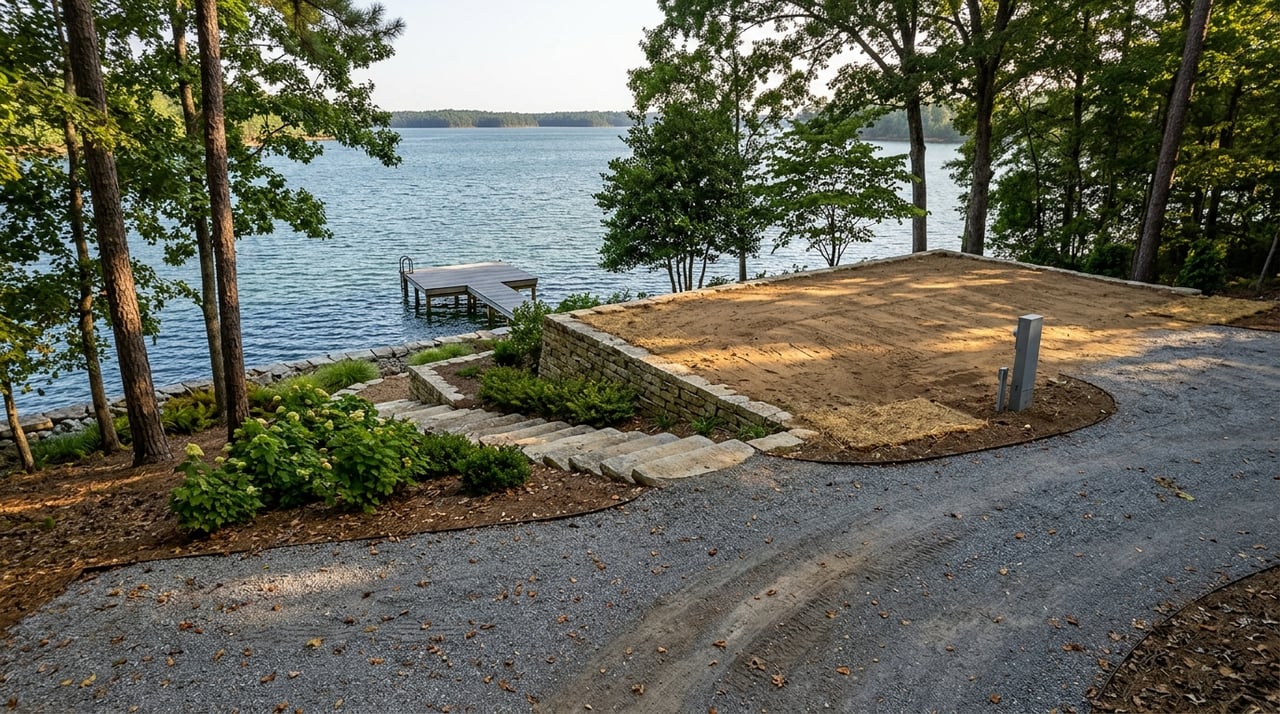
A steep lot may require more grading, drainage work, retaining walls, stairs, or a more complex driveway. Before you assume a lot has an easy building site, it helps to picture how you will actually get from the road to the house and from the house to the water.
Why topography affects cost
If the lot climbs sharply from the shoreline or drops steeply from the road, your build may need extra engineering and site work. Those costs can show up before construction even begins.
Topography can also influence water service decisions. The USGS county report notes that groundwater production can vary by site and elevation, with lower topographic areas generally yielding more water than higher ones.
Shoreline shape matters too
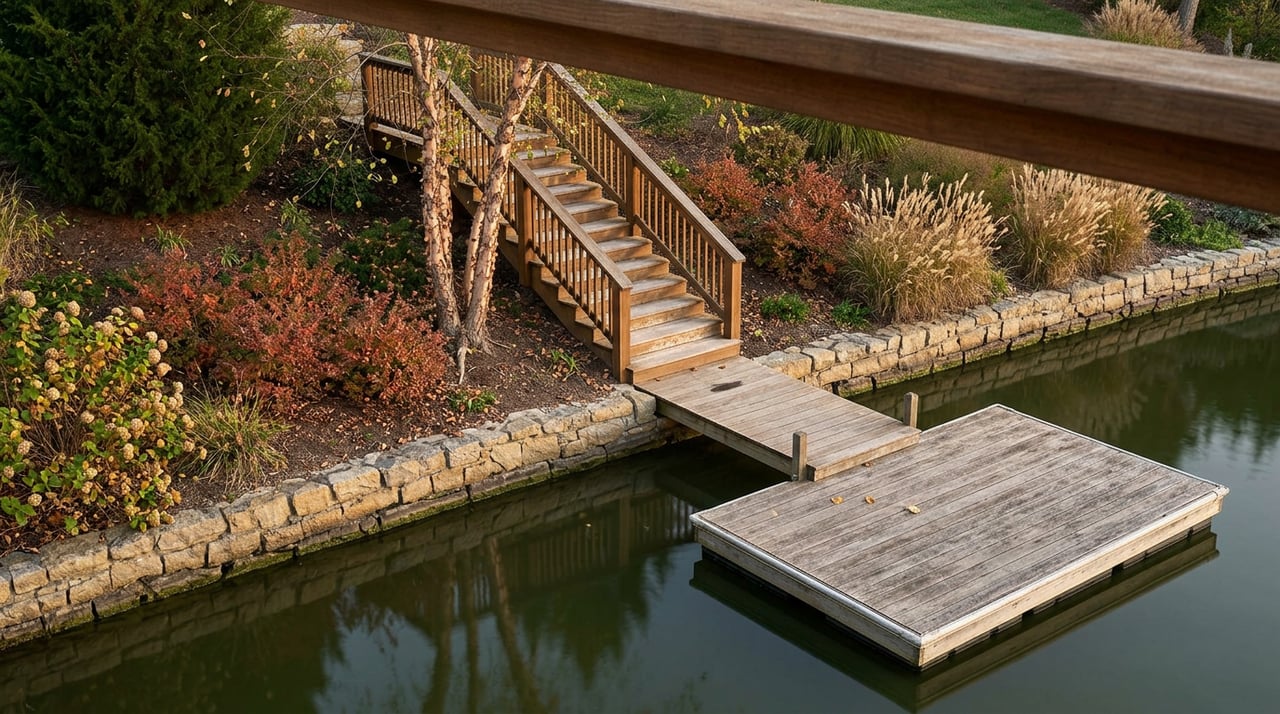
Not every waterfront edge works the same way. A narrow cove, an exposed bank, or a bluff-like shoreline can change where a stairway, dock, seawall, or stabilization feature may fit.
Alabama Power reviews shoreline permit applications for shoreline structures on Smith Lake. In some locations, shoreline work may require enhanced natural stabilization methods rather than a traditional hard edge, so the shoreline itself needs to be evaluated early.
Understand seasonal lake levels
The shoreline you see during a showing may not look the same later in the year. Alabama Power says Smith Lake begins lowering on July 1 and ends lowering on November 30.
That seasonal change can affect water depth, visible bank exposure, and how practical your water access feels. If you are comparing lots in late summer or fall, keep in mind that the lake edge may not reflect year-round conditions.
Timing can affect shoreline projects
In areas identified as flattened musk turtle habitat, Alabama Power says permitted construction activities that may affect the species are authorized between November 1 and March 31. That can influence when a shoreline project can move forward.
For buyers, the takeaway is simple: if a lot’s value depends heavily on dock access or shoreline improvements, timing and permitting deserve attention before closing.
Confirm floodplain and floodway status
Before you choose a house pad or septic area, check whether the property falls within a floodplain or floodway. Cullman County’s NFIP development permit process requires a site plan showing the property, watercourses, floodway and special flood hazard area boundaries, and proposed improvements.
If work is proposed in a floodway, the county requires a no-rise study. That requirement alone can affect cost, timing, and whether a plan is practical.
Why this step comes early
Floodplain review is not something to save for later. If the lot has limited buildable area outside regulated zones, your design options may narrow quickly.
The county also notes that additional state or federal permits may be required for some projects. On a waterfront lot, county approval may be only one piece of the process.
Road access can make or break a lot
Access is one of the most overlooked issues with waterfront land. A gorgeous parcel can become a challenge if the road situation is unclear or if the driveway entrance is difficult to approve.
In Cullman County, the Road Department handles driveway pipe permits, utility permits in public right of way, subdivision regulation, floodplain ordinance matters, and parcel GIS tools. That makes road access one of the first practical items to verify.
Ask if the road is county-maintained or private
Road ownership matters more than many buyers expect. County guidelines say acceptance of a road into the county maintenance system is discretionary, and the county is not required to accept a roadway or perform work on it.
When a road is accepted, county work is usually limited to grading, graveling, ditching, right-of-way mowing, cross-drain installation, and signage. If access is by a private road, you will want to understand maintenance expectations before moving ahead.
Driveway pipe approval is not automatic
The county’s driveway pipe application requires the proposed access point to be marked and inspected before the pipe is placed. The county also warns that an incorrectly installed or unpermitted pipe can be removed.
That means you should not assume every road frontage gives you a workable driveway entrance. On a sloped or irregular lot, driveway feasibility should be reviewed early.
Septic is one of the biggest tests
For many Crane Hill waterfront lots, septic feasibility is a major yes-or-no question. Alabama’s onsite sewage rules say no one may begin installing or repairing an onsite sewage system without a valid permit from the local health department.
The rules also say site acceptability is determined through site evaluation and professional soil data. In other words, septic should be treated as an early due-diligence item, not a last-minute step.
Slope and soil can change the system type
Severe slopes can create special design issues, and site classification helps determine whether a conventional system or an engineered system is needed. On a waterfront lot, that can directly affect cost and usable yard area.
The Cullman County Health Department Environmental Office handles septic questions and requests. If a lot needs significant grading, it is especially important to understand whether the site will still support the septic design you need.
Use qualified septic professionals
Alabama’s rules state that anyone who installs, repairs, manages, or certifies an onsite sewage system must be licensed by the Alabama Onsite Wastewater Board unless exempt by law. For you, that means septic planning should involve the right professionals from the beginning.
A lot that looks perfect from the water may still have limited septic options. That is one reason experienced guidance can save time and money.
Verify water and utility service parcel by parcel
Utility service is never something to guess. The Cullman County Water Department serves more than 14,000 customers, but connection availability still depends on the specific parcel.
If the property will rely on a private well instead, production can vary by site and elevation. That makes parcel-level verification important before you move too far into design plans.
Check GIS and right-of-way needs
The Cullman County Revenue Commission provides GIS maps and property searches for parcel verification. This can be a strong first step before paying for deeper survey or engineering work.
If utility lines or culverts need to cross county right of way, Cullman County uses a separate utility-permit process through the Road Department. Even simple utility planning can become more involved on waterfront property.
Build your due-diligence team before closing
The best waterfront lot decisions usually happen when key people are involved early. In Crane Hill, that often means coordinating with your builder, surveyor, septic professional, and Alabama Power’s shoreline management team before final design decisions are locked in.
This approach helps you avoid buying a lot based on assumptions. It also gives you a clearer picture of cost, timeline, and whether your vision fits the site.
The most important questions to ask
Before you close on a Crane Hill waterfront lot, focus on these practical questions:
- Is the access road county-maintained or private?
- Can the driveway pipe be approved at the proposed entry point?
- Is any part of the lot inside the floodplain or floodway?
- Will the site support septic after grading and site preparation?
- Does Alabama Power shoreline review apply to the dock, stairs, or shoreline work you want?
Those answers often reveal whether a lot is a straightforward build or a more complex project.
What this means for buyers in Crane Hill
Buying waterfront land on Smith Lake can be exciting, but the smartest buyers look past the view and study the lot itself. In Crane Hill, land shape, shoreline rules, floodplain review, road access, utilities, and septic feasibility can all shape what is possible.
When you understand those pieces early, you can move forward with more confidence and fewer surprises. That is especially important if you are buying from out of town or planning a second home where every detail matters.
If you are considering a Crane Hill waterfront lot and want family-first guidance grounded in real Smith Lake experience, Team Sparkman can help you evaluate the details that matter before you buy.
FAQs
What should you check first on a Crane Hill waterfront lot?
- Start with the lot’s slope, road access, septic potential, floodplain status, and shoreline limitations, since those issues can affect feasibility before house plans are finalized.
Does Cullman County have zoning for waterfront lots in Crane Hill?
- For unincorporated Cullman County parcels, the county says there are no zoning ordinances or zoning permits, but subdivision regulations, driveway pipe permits, utility permits, and floodplain development rules still apply.
Why does septic matter so much for Crane Hill waterfront land?
- Septic feasibility depends on site evaluation, soil data, and slope conditions, and those factors help determine whether a conventional or engineered system may be needed.
Do Smith Lake shoreline improvements need approval?
- Alabama Power says its shoreline management team reviews shoreline permit applications for structures on Smith Lake, and some shoreline work may require specific stabilization methods or timing considerations.
Can seasonal lake levels affect a waterfront lot in Crane Hill?
- Yes. Alabama Power says Smith Lake begins lowering on July 1 and ends lowering on November 30, which can change visible shoreline, water depth, and access conditions.
How do you verify parcel details before buying a Crane Hill lot?
- A good starting point is parcel verification through the Cullman County Revenue Commission GIS tools, followed by site-specific review with the Road Department, Health Department Environmental Office, and shoreline contacts as needed.