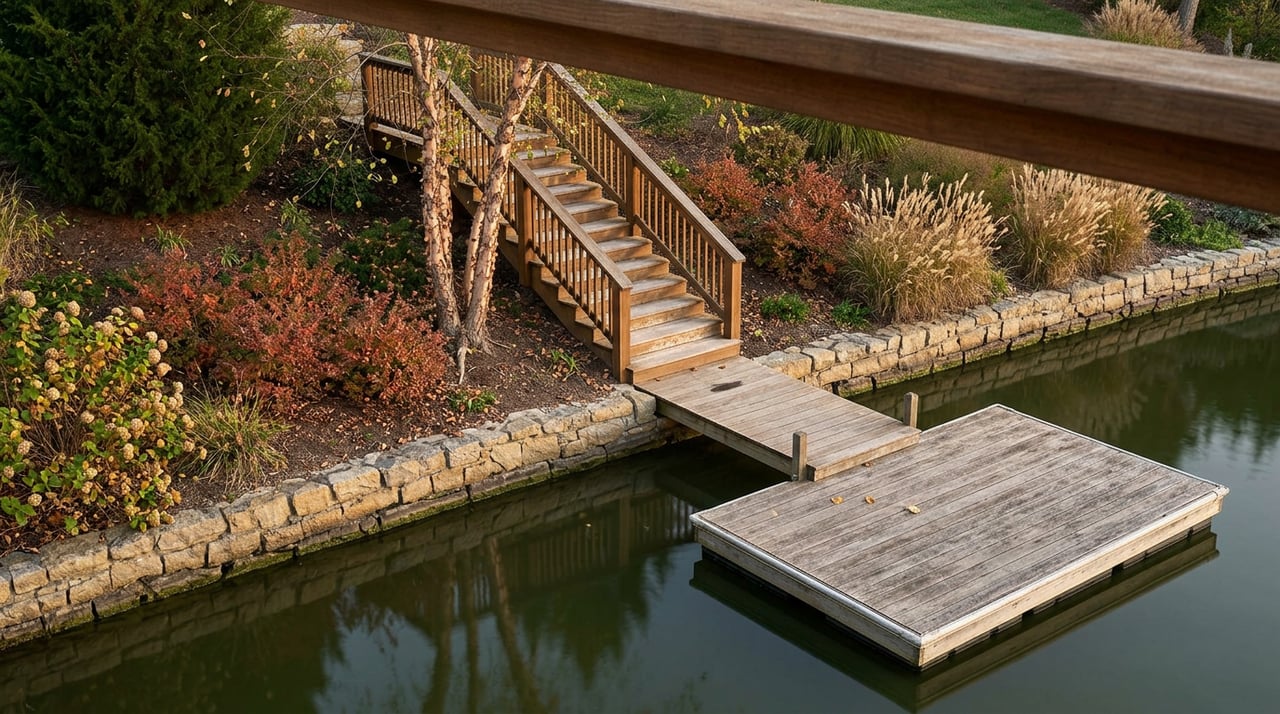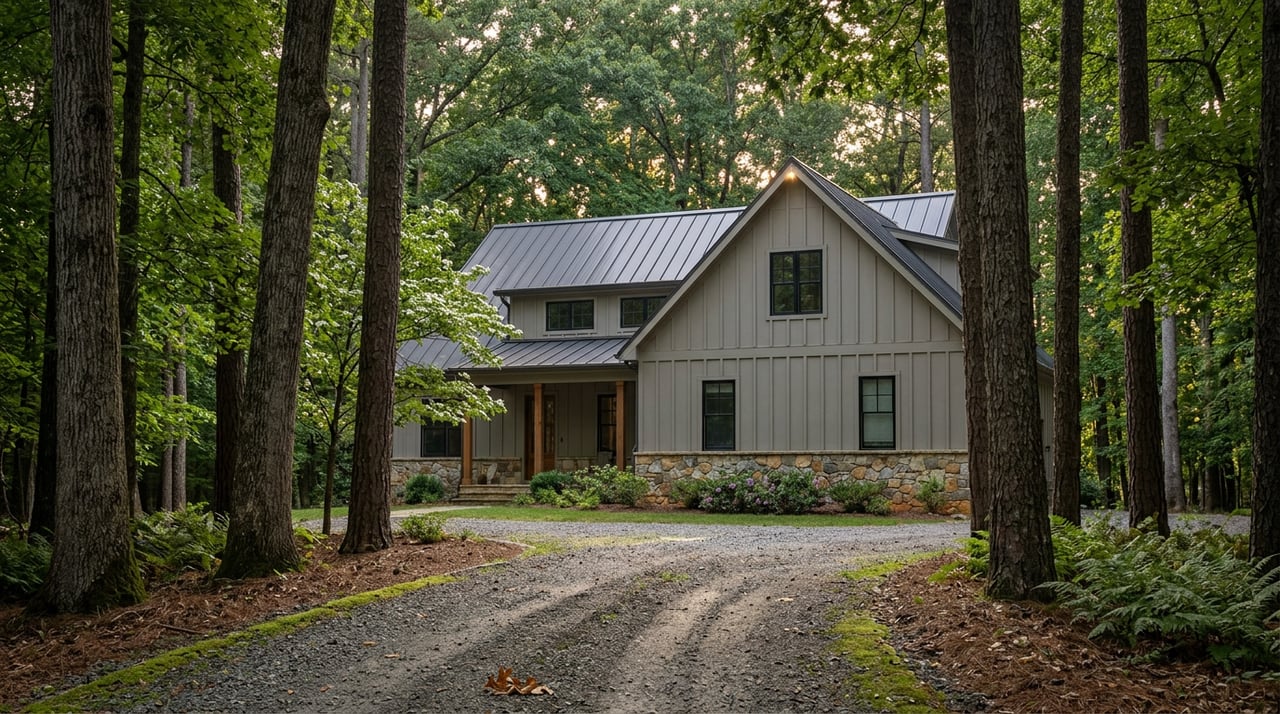
Back a trailer down the ramp at Houston Recreation Area on a Saturday morning in August and the first thing you notice is what's missing. No marina store selling ice and sunscreen. No dockhand waving you into a slip. No line of pontoons queued at a fuel pump. Just a concrete ramp, a gravel lot, and Lewis Smith Lake stretching out toward the tree line of Bankhead National Forest.
That's not an oversight. It's the whole arrangement.
Houston sits inside the national forest, and the boat ramp here answers to the U.S. Forest Service, not a county parks department and not a private marina operator. That one fact explains more about how a weekend actually runs on this end of the lake than any generic "things to do at Smith Lake" list will tell you, from when the swim beach shuts down for the year to what happens if there's a cooler of beer under your seat.
A Ramp That Runs On Forest Service Time
Drive toward Crane Hill and you're in marina territory, private docks with their own hours and their own rules. Drive toward the Cullman side and you're at a county-run park with a parks board calendar. Houston is neither. The Forest Service's occupancy order for the 2026 season groups Houston together with Corinth, Clear Creek, and Brushy Creek under one seasonal use rule, the kind of paperwork that only applies to federal recreation land.
Practically, that means the things you might have noticed without knowing why. Camping at the developed sites nearby is reservation-only through Recreation.gov, not a walk-up affair. Check-in doesn't start until 2 p.m., checkout ends at noon, and that two-hour gap exists because Forest Service staff need it to turn sites over. The season itself runs on a federal clock too. For 2026, that order covers March 8 through October 31, which is longer than most people assume once Labor Day passes and the crowds thin out.
None of that makes Houston harder to enjoy. It makes it quieter, and it makes the rules a little more predictable once you know where they come from.
Corinth And Clear Creek Do The Heavy Lifting
Houston itself is mostly the ramp. The recreation infrastructure that actually serves this stretch of the lake sits a short drive away at two Forest Service sites.
Corinth Recreation Area was built in the 1960s and renovated in 1998. It runs two camping loops with 52 sites total, full hookups, and four bathhouses with warm showers, plus its own boat ramp for anyone staying there.
Clear Creek is the bigger of the two, and it's the largest recreation area in Bankhead National Forest. It offers:
- 102 RV campsites across four paved loops, including 32 double sites and 11 pull-through sites
- A designated swim beach with a roped shallow area
- The 2.5-mile Raven Interpretive Trail, built to walk visitors through the forest's ecology rather than just get them from point A to point B
- A separate 1.5-mile paved trail for biking, walking, or jogging through the campground itself
If you've fished, swum, or hiked anywhere near Houston without driving all the way to Smith Lake Park or a marina, there's a good chance it was at one of these two sites.
What August Is Actually Closing Out
Today is August 10. Labor Day falls on September 7 this year, which puts four weekends between now and the day Clear Creek's swim area shuts down for the season, including Labor Day weekend itself.
That's worth marking on a calendar for a specific reason. Camping doesn't end when swimming does. The broader occupancy order that covers Houston, Corinth, and Clear Creek runs through October 31, so the ramps and campsites stay open well past the point the beach closes. If your plan involves the swim area specifically, this is the stretch to use it. If your plan is fishing or paddling from the ramp, you've got roughly two more months before the seasonal rules change again.
One more scheduling note if you're planning a visit rather than just launching from your own dock: Clear Creek's entrance office hours shift between August and October, so it's worth a call ahead rather than assuming the same hours that applied in June still apply now.
The Log Jail That Used To Run The County
Houston wasn't always a quiet boat ramp community. Before Winston County had its current shape, the area was established in 1850 as Hancock County, renamed Winston in 1858 for the state's first native-born governor. Old Houston, a few miles from the present-day community, served as the first county seat. In the late 1850s, citizens voted to move the seat to present-day Houston, and a log jail went up to serve it.
That jail burned during the Civil War and was rebuilt in 1868 out of hand-hewn logs packed with nails, a construction detail meant specifically to keep prisoners from sawing their way out. Some regional guides to the Bankhead area call it one of the oldest surviving log jails in the country. The county seat itself didn't stay put much longer. In 1884, it moved again, this time to Double Springs, where it remains today.
The courthouse left over a century ago. What stayed is the ramp, the forest, and a jail still standing as the oldest visible marker of what Houston used to be before it became a place people drive to for a quiet Saturday on the water.
What's Actually Legal With A Cooler
Every county touching Smith Lake, Cullman, Walker, and Winston alike, treats the water itself as dry. Possessing alcohol on a boat here can draw a fine well over $500, and marine police patrol for it. That part of the rule is consistent no matter which ramp you launch from, Houston included.
What most general write-ups leave out is the exception. In 2017, the state legislature passed a law letting qualifying marinas serve alcohol on their own property even though the surrounding county is dry, provided the marina has at least 30 boat slips and an on-site restaurant seating at least 100 people. Each qualifying marina becomes what the law calls its own community development district. At the time the Cullman Times reported on the change, two marinas in each of the three counties, including Winston, met the threshold.
For a Houston-based boater, the practical read is simple. The cooler rule doesn't change based on which ramp you use. What changes is where you can legally sit down for a drink after you're off the water, and that list is short and specific to marinas built to meet the restaurant-and-slip requirement, not every dock on the lake.
Living On Forest Service Time
None of this shows up on a typical Smith Lake day-trip list, because none of it applies anywhere else on the lake quite the way it applies here. A marina row runs on its own hours. A county park runs on a parks board's calendar. Houston runs on federal recreation rules, which means reservation systems instead of walk-ups, a fixed season instead of a loose one, and a jail older than the state's current county lines sitting a few miles from the ramp.
That's the trade a lot of residents on this end of the lake made without fully realizing it: fewer amenities right at the water's edge, in exchange for a quieter stretch of shoreline and a set of rules simple enough to plan a whole season around.
If you've ever wondered why your corner of Smith Lake feels different from the marina side, now you know where to point.
Team Sparkman lives this stretch of the lake year-round, not just on weekends. If you're weighing a move to this side of Smith Lake, curious what a property near Houston or the wider Bankhead corridor is worth, or just want a straight answer about which county line your dock sits on, reach out to Team Sparkman any time.