Should you choose a fixed dock or a floating dock for your Smith Lake home near Arley? It is a big decision that affects everyday convenience, long-term costs, and even resale value. If you want a dock that works with your shoreline, your boat, and local water-level changes, getting the facts up front will save you time and stress.
In this guide, you will learn how each dock type performs on Smith Lake, what Arley’s coves and main-channel locations mean for your choice, what Alabama Power approvals you need, and the maintenance you can expect. You will also get simple checklists for buyers and sellers so you can move forward with confidence. Let’s dive in.
Fixed vs floating basics
Fixed docks explained
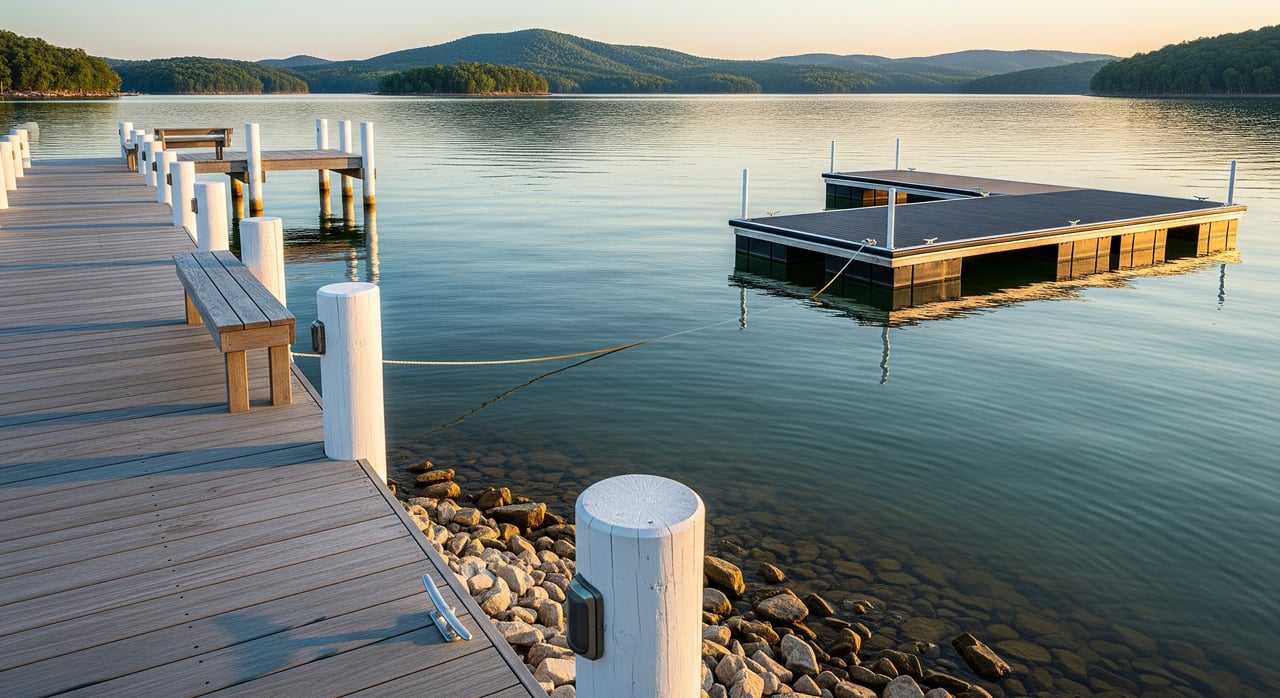
A fixed dock is built on pilings anchored into the lakebed, with a deck at a set elevation above the water. You get a stable walking surface and straightforward loading and unloading. It can look and feel permanent, which some buyers view as a value add.
- Pros: stable under foot and in chop, solid for larger boats, high-quality aesthetic.
- Cons: needs reliable depth, less forgiving when water levels shift, more invasive and expensive to install, underwater repairs can be costly and require contractors and approvals.
Floating docks explained
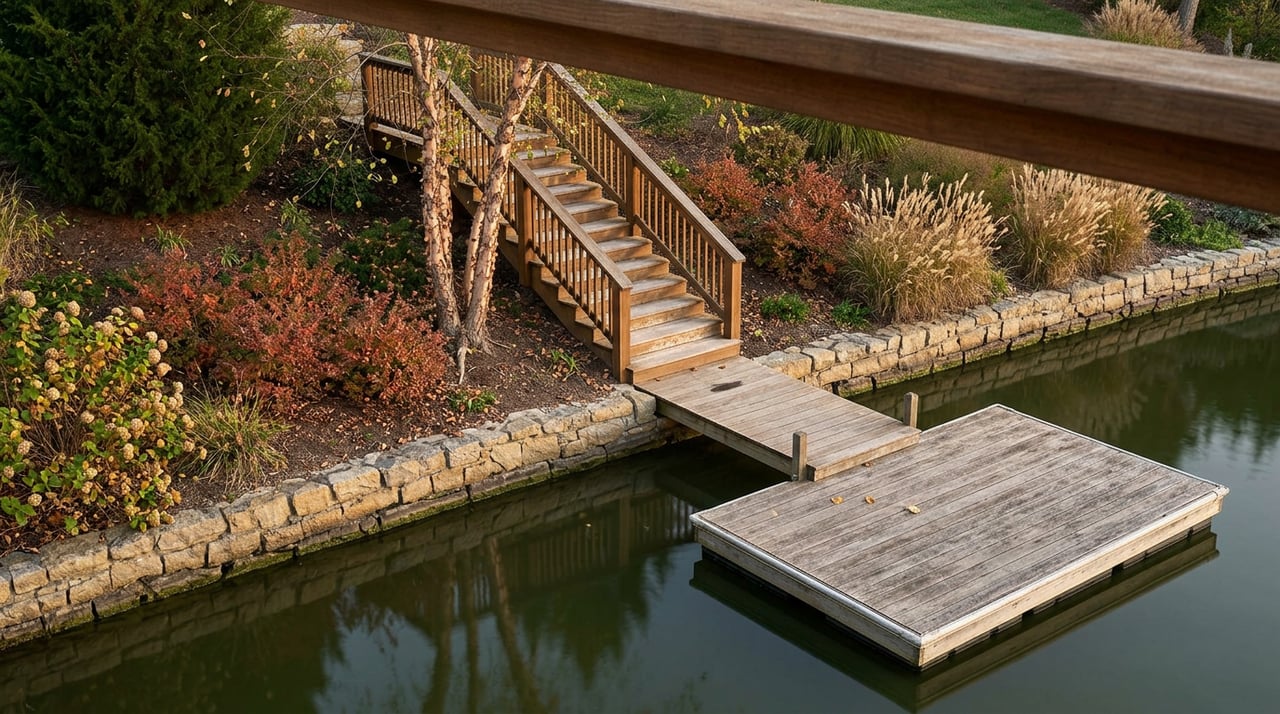
A floating dock sits on buoyant modules and is anchored with cables, anchors, or guide pilings. The deck rides with the water surface, which helps when levels change through the season.
- Pros: adapts to routine lake-level changes, often lower upfront cost, faster to install, easier to modify or relocate.
- Cons: moves more in wakes, floats and hardware age from UV and impacts, heavier anchoring may be needed on exposed sites, debris can snag if maintenance lags.
Smith Lake factors near Arley
Water depth and shoreline slope
Depth drives everything. Fixed docks need dependable depth at each piling and along the boat approach. Floating docks need enough depth at low water for the floats to clear the bottom. Around Arley, many coves transition from shallow flats to deeper pockets. If the shoreline is shallow for the first 10 to 20 feet, you may need a longer approach for a fixed dock or a custom anchor plan for a floating system. Ask a dock contractor to test depth during different seasons when possible.
Lake-level variability
Smith Lake is managed for power generation and seasonal needs, so levels can change over short and longer periods. Floating docks handle these swings better because the deck rises and falls with the water. Fixed docks must be designed with margin for high and low pool conditions or they can lose usable access as levels shift.
Wake exposure and location
Main-channel sites near Arley see more wakes from passing boats and larger vessels. That points to fixed docks or heavy-duty floating docks with robust anchoring and fendering. Sheltered coves are calmer, and a well-anchored floating dock often performs well there. The tradeoff is simple: quieter coves ease wear and tear, while main-channel access is convenient but demands a tougher design.
Bottom conditions and shoreline
Rocky or steeper banks can simplify some piling work, while soft or organic bottoms may require longer piles or specialty anchors. Natural vegetation helps stabilize shorelines. Any plan to add riprap or structural stabilization typically needs approval.
Access and boating patterns
Proximity to popular ramps and marinas can increase traffic and wakes, especially on weekends. Visit at different times to see real-world conditions before you commit to a dock type.
When a fixed dock fits
Choose a fixed dock if you prioritize stability, moor larger boats in choppy water, or want a permanent feel that complements a high-end property.
- Best for deeper water close to shore with reliable depth.
- Works well on exposed or main-channel sites with frequent wakes.
- Consider if you want a firm, steady platform for frequent loading and entertaining.
- Budget for higher initial construction costs and potential underwater repairs over time.
Questions to consider:
- Do you have consistent depth at the proposed piling locations?
- Can the design maintain usable access at seasonal low water?
- What materials and pile sizes are recommended for expected wake loads?
When a floating dock shines
Pick a floating dock if you need flexibility with lake-level changes or want a faster, often lower-cost install.
- Best for coves and semi-sheltered locations around Arley.
- Adapts well to seasonal level changes without losing access.
- Easier to expand, reconfigure, or relocate if your needs change.
- Plan for ongoing float and hardware upkeep, and consider heavier anchoring if your site receives regular wakes.
Questions to consider:
- What anchor type and layout will hold in your depth and bottom conditions?
- How will the dock behave during weekend traffic spikes?
- What is the expected schedule and cost for float replacement over time?
Alabama Power approvals explained
Alabama Power manages Smith Lake’s shoreline and typically requires written approval for docks, boat lifts, shoreline stabilization, and related structures. This applies to new builds and many modifications. Unapproved work risks removal.
What to expect:
- Allowed structures and materials are subject to company standards that protect navigation and safety.
- Placement can be affected by setbacks, channel clearance, and conflict avoidance with neighboring structures.
- Shoreline vegetation changes, grading, riprap, or seawalls usually require approval.
- Owners are responsible for safe, compliant maintenance. Non-maintained or unsafe docks can be ordered removed.
- Operational needs or drawdowns can require temporary adjustments. Follow guidance from Alabama Power if notified.
Action steps:
- Contact Alabama Power’s shoreline or reservoir office for current requirements before you plan, build, or modify.
- Get and keep written approvals, as-built drawings, and any correspondence. Buyers should request these documents during due diligence. Sellers should gather and disclose them before listing.
Maintenance and lifecycle
Materials and durability
Common materials include pressure-treated wood, composite decking, aluminum framing, galvanized steel piles, and HDPE floats. Wood looks great but needs sealing and careful fastener selection. Composite and aluminum raise upfront costs but lower routine upkeep. Float modules age from sun, algae, and bumps and will need periodic replacement.
Routine care and inspections
Plan annual checks of fasteners, deck boards, cleats, fenders, anchors, pilings, and any electrical and safety features. Every few years you may refasten decks, coat metal, or replace floats. After strong storms or heavy traffic weekends, inspect for impact damage or anchor shift.
Wake and impact protection
Design for the boats you expect to moor. Use pilings, fendering, and anchoring sized for your vessel and site exposure. In high-wake areas, protective features or breakwater-style solutions may be helpful, subject to approval.
Costs and insurance
Fixed docks tend to cost more upfront and can deliver long service when built well. Floating docks cost less to start but may have more recurring maintenance. Review your homeowners or umbrella policies for dock and boat coverage, and consider marine liability if applicable.
Buyer dock checklist
- Request Alabama Power approvals, permits, and any county documents.
- Ask for as-built drawings, install dates, and maintenance or repair records.
- Inspect in person or hire a marine contractor or inspector:
- Review pilings, fasteners, deck boards, floats, anchors, boat lifts, electrical, and fendering.
- Look for rot, corrosion, missing hardware, sagging, or instability.
- Confirm water depth at the dock and approach during representative low-water periods when possible.
- Visit during peak boating times to gauge wake exposure.
- Confirm the dock is included in the sale and that there are no compliance issues or removal orders.
- Get replacement or upgrade estimates from at least two local dock builders if changes are likely.
Seller dock checklist
- Gather all Alabama Power approvals and any county permits into a clean folder for buyers.
- Disclose known issues and repair obvious safety items like loose boards or missing cleats.
- If replacement is likely, obtain quotes and be clear in your listing about options and required approvals.
- Clarify in disclosures whether the dock conveys and who is responsible for any removal or relocation if required.
Questions to ask the pros
- Alabama Power: Is the current dock size, lift type, and location approved and current? Are any policy changes pending that could affect this property?
- Dock builders: What anchoring or piling approach fits this depth, soil, and wake exposure? How does your design accommodate Smith Lake’s seasonal level changes?
- County office: Do Winston County rules add any permits or setbacks beyond Alabama Power approvals?
How to choose for your lot
- Map your site. Note depth at the shoreline and at your desired mooring area, shoreline slope, and bottom type.
- Observe wakes. Visit on a busy weekend and on a calmer weekday to see the difference.
- Prioritize use. Decide whether stable loading, flexible water-level access, or easy reconfiguration matters most.
- Confirm approvals. Call Alabama Power’s shoreline office early and outline your preferred design.
- Price the lifecycle. Compare total cost of ownership, including installation, maintenance, and potential upgrades.
- Get bids. Secure designs and pricing from experienced Smith Lake dock contractors before you commit.
Ready to take next steps?
Whether you are weighing a fixed dock on a main-channel home or a floating dock in a quiet Arley cove, the right plan starts with site specifics and clear approvals. If you want help evaluating a property, gathering documents, or preparing a listing with dock details that buyers trust, reach out to the local team that lives the lake life. Connect with Team Sparkman for tailored guidance on Smith Lake homes, lots, and waterfront decisions.
FAQs
Which dock type is best for Smith Lake?
- It depends on your site depth, wake exposure, budget, and how permanent you want the structure to be. Floating docks often suit variable levels and sheltered coves, while fixed docks fit deeper, high-wake sites that need a steady platform.
Do I need Alabama Power approval for a dock?
- Yes. Alabama Power typically requires written approval for docks and shoreline work on Smith Lake. Obtain approvals before building or risk removal.
How much maintenance will my dock need?
- Plan for annual inspections and periodic work on decks, floats, and hardware. Floating systems usually need float maintenance over time, and fixed systems require attention to piles and fasteners.
Can I move a dock if levels change or I sell?
- Moving a dock usually requires approvals and a qualified contractor. Floating docks are generally easier to relocate than pile-supported fixed docks.
What is the main risk sellers should disclose?
- Permit and approval status, plus any known structural or compliance issues. Also disclose any removal orders or communications from Alabama Power.